

How to Choose a Safe and Licensed Crypto Casino in the UK: A 2026 Player's Guide to Bitcoin Gambling Sites, Bonuses, and Responsible Play

I've watched crypto gambling go from a fringe curiosity to a genuinely mainstream option for UK players over the last couple of years. And honestly? It's not hard to see why. Bitcoin, Ethereum, stablecoin casinos — they all promise near-instant withdrawals, tighter privacy, a slicker experience than most legacy fiat sites ever managed. But here's the tension I keep circling back to whenever a mate asks me for advice: speed and anonymity don't mean much if the operator running the games isn't properly licensed, or isn't upfront about how it handles your money. This guide is my attempt to walk you through exactly what to check before you deposit a single satoshi in 2026, so you get the perks of crypto gambling without wandering into risks you could've easily dodged.
What Is a Crypto Casino and How Does It Work?
At its core, a crypto casino is just an online gambling site that takes cryptocurrency for deposits and withdrawals — either alongside the usual payment methods, or exclusively. The games themselves — slots, live dealer tables, blackjack, roulette — usually look and feel identical to what you'd find on any standard online casino. What changes is the plumbing underneath. Instead of routing your payment through a card processor or e-wallet, the casino moves funds over blockchain-based rails. That means transactions settle on a public ledger, which some players find reassuring. Others just like that there's no bank sitting in the middle, slowing everything down.
Crypto Casinos vs. Traditional Online Casinos
Line these two up side by side and the practical differences add up fast. Withdrawal times can drop from a few business days with a card to under an hour with crypto — sometimes just minutes, depending on network congestion. Fee structures differ too; card and e-wallet withdrawals often carry processing fees, while crypto transactions mainly involve network gas fees, which fluctuate but tend to stay modest. Privacy is another piece of it. Funding an account with crypto usually means sharing less personal financial data with the casino directly, though reputable sites will still ask for identity verification eventually — they always do, sooner or later. Payment methods diverge as well: you're working with wallet addresses and blockchain confirmations, not debit cards, Apple Pay, or Skrill.
Is Crypto Gambling Legal and Regulated in the UK?
This is where a lot of players get tripped up, and I get why. The UK Gambling Commission (UKGC) doesn't ban cryptocurrency as a payment method outright. But it does require any operator serving UK customers to hold a valid UKGC licence, whether they're taking pounds or Bitcoin. That licence comes loaded with obligations — anti-money laundering checks, fair play standards, player protection rules. The catch? Plenty of crypto-focused casinos operate offshore, often under Curaçao or Malta licences, and simply don't hold UK authorisation at all. Playing on an unlicensed offshore site isn't necessarily illegal for you personally. But it strips away almost every safety net — no formal complaints process, no guaranteed dispute resolution, no recourse if the operator delays or refuses a withdrawal.
How to Choose a Safe and Licensed Crypto Casino
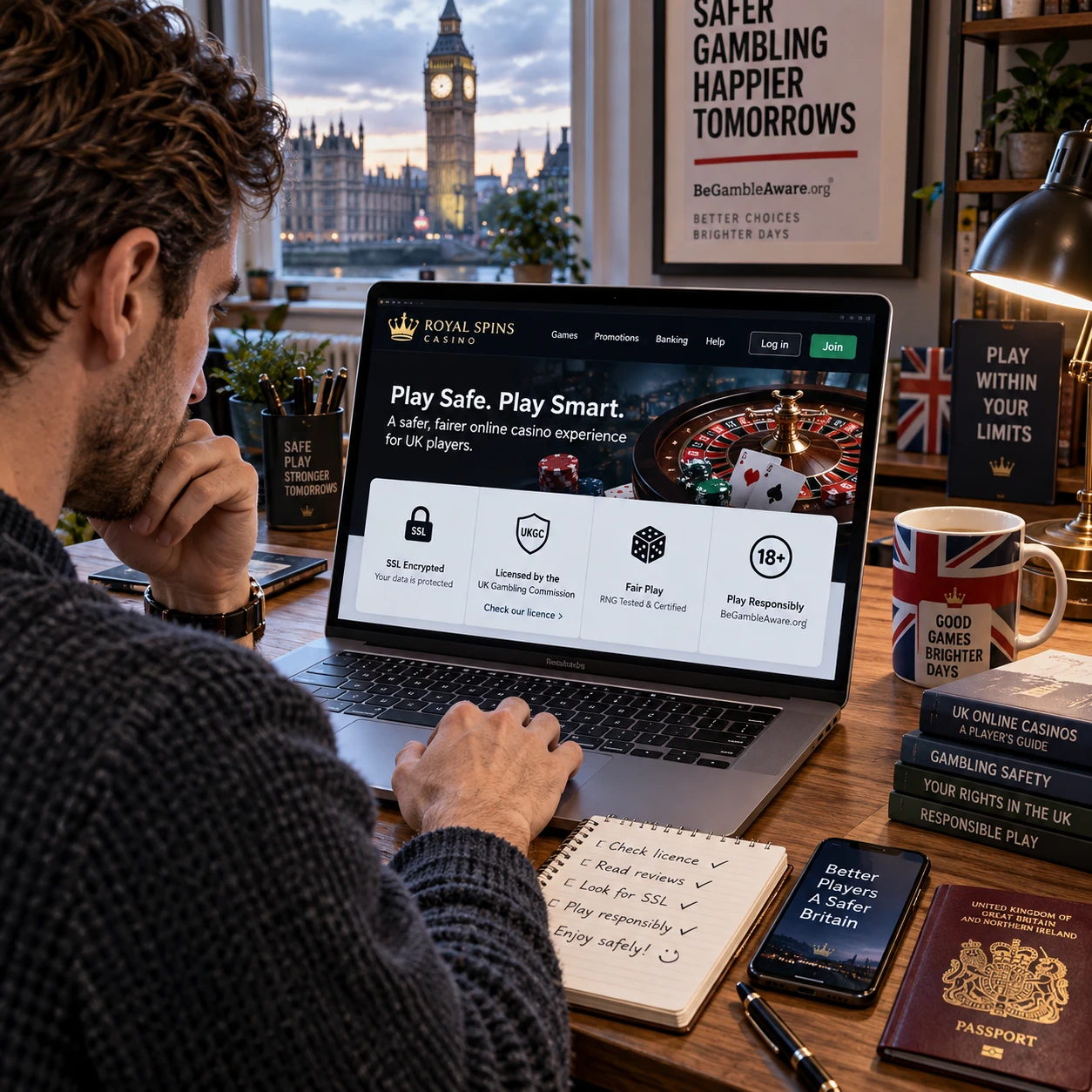
Vetting a crypto casino properly takes maybe ten minutes. And I'd argue those ten minutes are non-negotiable before you deposit anything at all. Start by scrolling to the footer and checking for a licence number — legit operators display this clearly, often linking straight to the regulator's public register so you can verify it yourself. UKGC licensing is the gold standard for UK-facing sites, though well-regarded Malta Gaming Authority licences carry real weight too. Curaçao licences vary a lot in quality and deserve extra scrutiny. Beyond licensing, confirm the site runs SSL encryption — that little padlock in your browser bar matters more than people give it credit for — and look for evidence of independent audits or certifications.
Doing this research from scratch for every single site gets tedious fast, so I usually point people toward curated comparison resources that have already put in the legwork. A site like top crypto casinos uk is a genuinely useful starting point for shortlisting operators that have been vetted for licensing, payout reliability, and game fairness — which saves you from digging through terms and conditions on a dozen different platforms yourself.
Licensing and Regulatory Red Flags
A few warning signs should have you closing the tab immediately. No visible licence number anywhere? That's an instant red flag. Same goes for the absence of a clear complaints procedure or dispute resolution contact. I'd also watch for patterns of delayed or disputed payouts showing up repeatedly in player reviews, and stay wary of casinos that let you withdraw large sums without ever asking for identity verification. That's not a perk — it's usually a sign the operator isn't following proper KYC and anti-money laundering standards.
Security, Fairness, and Provably Fair Technology
One thing crypto casinos do particularly well is provably fair technology — a system unique to blockchain-based gambling that lets you cryptographically verify a game's outcome wasn't manipulated. It's a genuine step up in transparency compared to older RNG systems, though those still matter too. Look for RNG certification from recognised testing bodies like eCOGRA or iTech Labs; their seals typically sit at the bottom of a casino's homepage, easy to miss if you're not looking.
Understanding Crypto Casino Bonuses and Terms
Welcome bonuses, free spins, crypto cashback, no-deposit offers — this space is flooded with them, and they can be genuinely valuable. But only if you actually read the wagering requirements. This matters more with crypto than fiat, because if Bitcoin's value swings while you're grinding through a 40x wagering requirement, your effective bonus value shifts too. Sometimes significantly.
Spotting Fair vs. Unfair Bonus Terms
Before accepting any bonus, I run through a quick mental checklist: what's the maximum bet allowed while wagering (some casinos cap it painfully low), which games actually count toward the requirement, is there a withdrawal cap on winnings from bonus funds, and how long do you realistically have to clear it. Terms that bury these details in dense fine print — or that seem built to make clearing the bonus nearly impossible — just aren't worth your time.
Popular Cryptocurrencies at UK-Friendly Casinos
Bitcoin remains the most widely accepted option and the one most casinos build their infrastructure around first, though its transaction fees and confirmation times can swing depending on network load. Ethereum offers faster processing in a lot of cases and supports a wider range of casino integrations. Litecoin has carved out its own niche as a low-fee, quick-confirmation alternative that some players prefer specifically for gambling — fast, really fast, when the network cooperates. Stablecoins like USDT and USDC are picking up steam too, since they let you gamble without worrying about your bankroll's value drifting mid-session. A real advantage if you're not looking to speculate while you play.

Responsible Gambling for Crypto Casino Players
Anonymity is a genuine perk of crypto gambling, but it's not a license to skip self-control measures. Set deposit limits before you start playing — not after a losing session tempts you to chase. Many UK-facing crypto casinos now build in self-exclusion tools, and it's worth checking whether a site participates in GAMSTOP-style schemes even when it's licensed offshore rather than by the UKGC directly. I'd also strongly suggest keeping a strict crypto gambling budget entirely separate from any long-term investment holdings. Mixing the two is a quick way to lose track of what you're actually risking. If gambling starts feeling less like entertainment and more like compulsion, organisations like GamCare and BeGambleAware offer free, confidential UK support — worth knowing about before you need it.
Common Mistakes UK Players Make with Crypto Casinos
- Skipping licensing checks entirely because the site looks polished and professional
- Chasing losses during late-night sessions, since crypto casinos never close and there's no natural pause point
- Misunderstanding tax implications on crypto gambling wins, particularly when converting back to fiat
- Funding accounts through unregulated or sketchy exchanges rather than reputable, established platforms
Every one of these mistakes is entirely avoidable with a bit of upfront caution. And I'd argue they're behind most of the bad experiences players end up posting about online.
Choosing a safe crypto casino in 2026 really comes down to three habits: verifying licensing before you deposit, reading bonus terms line by line instead of skimming, and treating responsible play as non-negotiable no matter how private or fast the platform feels. Take the extra few minutes to research an operator properly, lean on trustworthy comparison resources when you're unsure, and you'll put yourself in a much stronger position — enjoying what crypto gambling does well, without falling into the traps that catch out less cautious players.